We met at dawn in a fog so thick you couldn't see your own hand, heading south from Rydebäck toward Landskrona.
As we ran, the sun climbed and the mist lifted, revealing the dramatic coastline around us. Mattias paused to capture the cover image for this post, easily one of the best running photos I’ve ever seen.
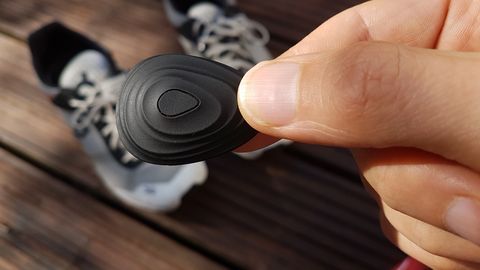
In the middle of all this nature, I was practically a mobile Bluetooth hub. A heart rate band on my arm and a Stryd pod on my shoe funneled live telemetry straight to my Polar V800: cadence, stride, pace, elevation, and pulse. All of it fed into an algorithm calculating real-time running power. At an easy, leisurely coast, my body was humming along at 240 watts.
With that stream of data, I know exactly how hard I can push for hours without blowing up. Cross that line, and your muscles switch into anaerobic panic mode, starving for oxygen and quickly filling with metabolic waste.
The hardware driving this is absurdly small: Stryd’s $200 foot pod weighs just seven grams. Yet packed inside that featherweight shell is a tri-axis gyroscope, an onboard processor, wireless induction charging, and 20 hours of battery life.
For years, I paced by feel, heart rate, and perceived exertion, metrics that can lag behind or fluctuate with heat, caffeine, and fatigue. Power eliminates the guesswork. It gives me a single, instantaneous number to manage my engine: Am I training efficiently? Where are my gaps? And come race day, it keeps me honest, ensuring I don’t torch my legs on the climbs or slack on the descents.
The best part? It actually works. After five years of endurance running, I know my body’s limits and lactate thresholds pretty intimately. Stryd’s power numbers confirm it down to the exact watt.
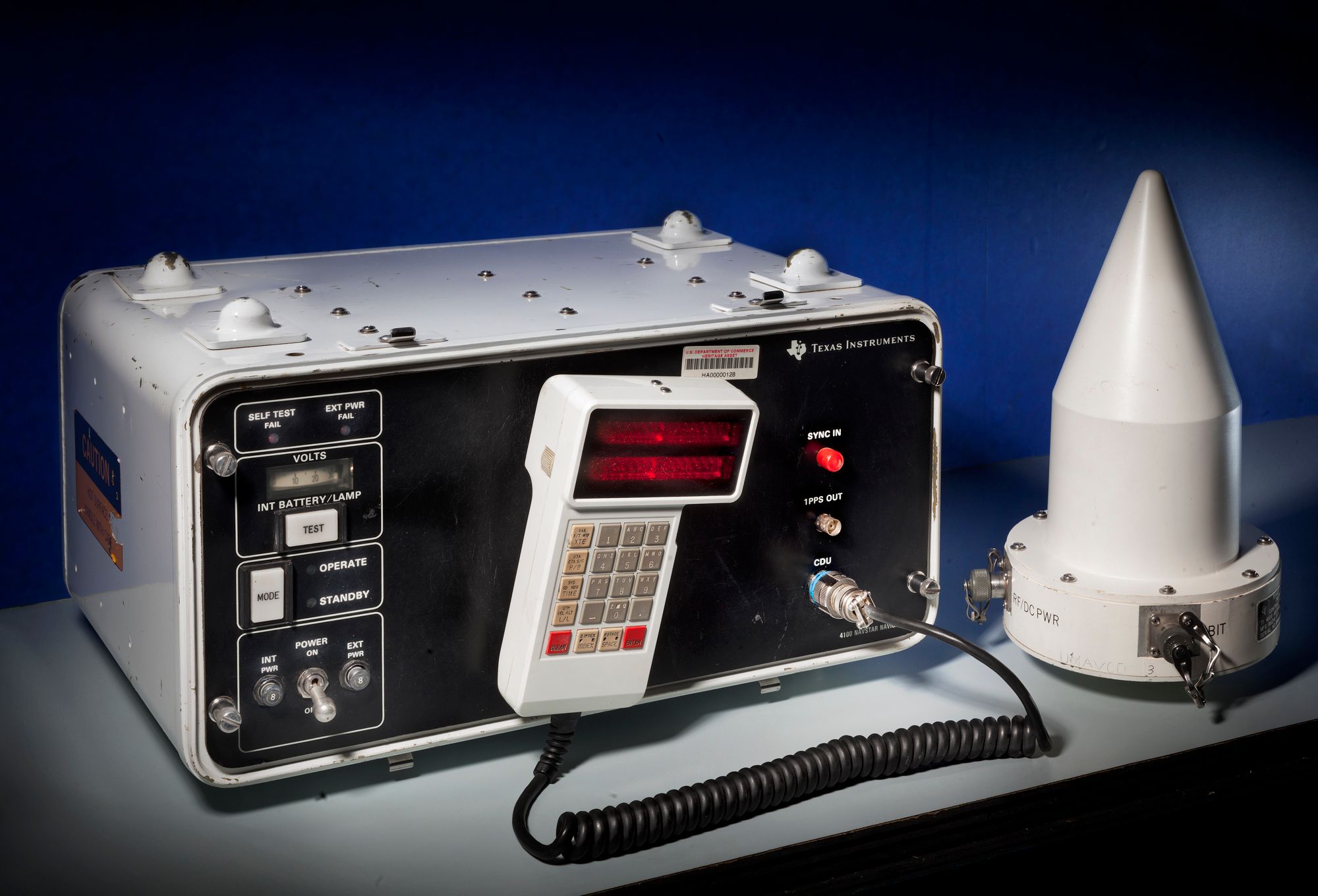
It puts modern tech into perspective: in 1981, the world’s first commercial GPS receiver, the TI-4100 NAVSTAR, weighed 24 kilograms.