100 miles is 161 kilometers, a classic distance among ultrarunners. There are, of course, longer races: 200 miles, Spartathlon at 246 kilometers, and PTL at 300 kilometers in the Mont Blanc massif.
Extreme distances appeal to only a few people on the planet. One hundred miles, however, is manageable for many more, which makes it a realistic goal.
At 188 meters above sea level, finding Kullaberg rising from the plains of southern Sweden is a bit unexpected. The Kullamannen trail race is held there every year.
The organizers have created a course called “The Zone of Death” that uses every available meter of elevation, 22 kilometers with 900 meters of ascent.
They have also, just for fun, created a 100-mile ultrarace that starts in Båstad and, via Ängelholm, takes runners to Kullaberg and four laps of this course - 4,000 meters of elevation gain over 161 kilometers.
Anyone who feels compelled to take on 100 miles has to break the challenge down into parts.
- Mental training: positive thinking and crisis management.
- Energy supply: water, carbohydrates, salts, fat.
- Endurance: running technique, strength training, conditioning.
- Equipment: everything tested over a long period of time, and organized for race use.
Then you break the race itself into manageable sections, two-mile stages or natural breakpoints like aid stations and water stops. For each stage, you plan pace, time, fluids, energy, clothing, and footwear.
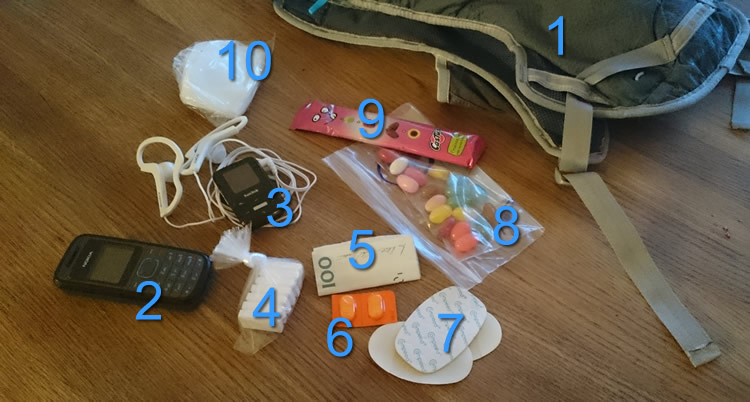
- Backpack: I have three in my closet; the Marmot Compressor Speed, the Mountain Hardwear Single Track, and the Salomon ADV Skin 12.
- Nokia 1208 mobile phone: a large 1,100 mAh battery, lasting up to a week on standby. 75 g. Halebop/Telia prepaid card.
- Sony MDR-AS200 headphones—waterproof and durable. ClipZip MP3 player with Rockbox installed; battery lasts 30+ hours. Installing Rockbox makes the player easier to use.
- Dextrose (Dextrosol) for emergencies, such as getting lost or cold.
- Cash: always useful—enough for a Coke, ice cream, a bus ride, or fuel.
- Vitamin I: Ipren/Ibuprofen (NSAID), 400 mg over the counter. Apparently less dangerous than Voltaren/diclofenac. Generally, mixing heavy exertion with painkillers is a bad idea.
- Compeed: chafing is a miserable showstopper.
- Ultrabeans available without azo dyes at Willys for 15 kr/250 g.
- Cactus fruit sticks: 65 kcal per bar, 5 for 23 kr. Very easy on the stomach, fruit and sunflower oil.
- Wet wipes: more pleasant than moss.
Since the race often lasts more than 24 hours with sustained effort, your thinking deteriorates over time. “Stupid in a beautiful way,” as someone said. At that point, it’s all about following what you’ve written down rather than relying on impaired judgment.
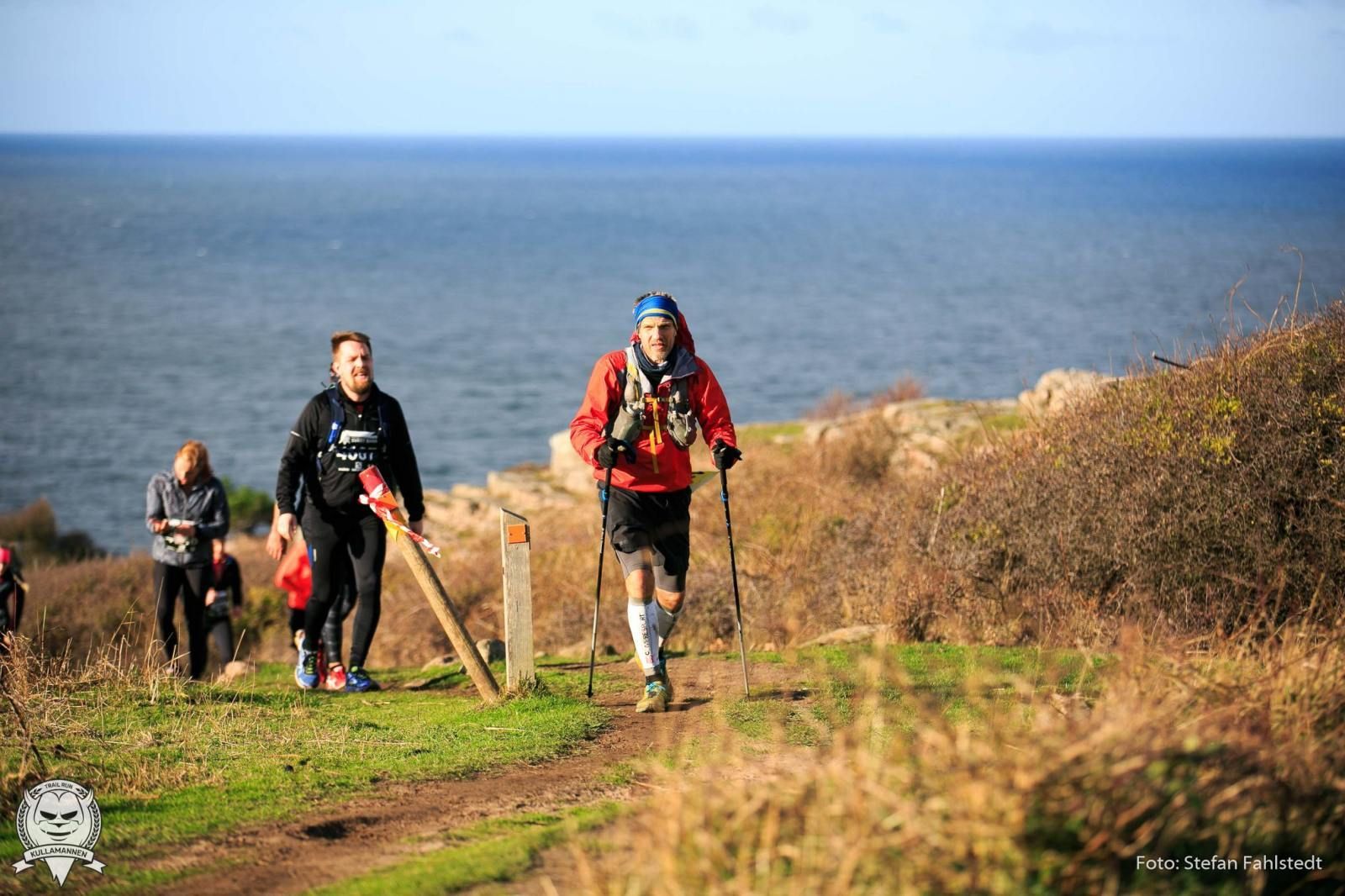
Then comes the hard part: getting to the finish line. Finding a reason to take another step when everything feels hopeless and miserable.